

Solar Simulator Accuracy Guide
What Affects Solar Simulator Accuracy In PV Cell Testing
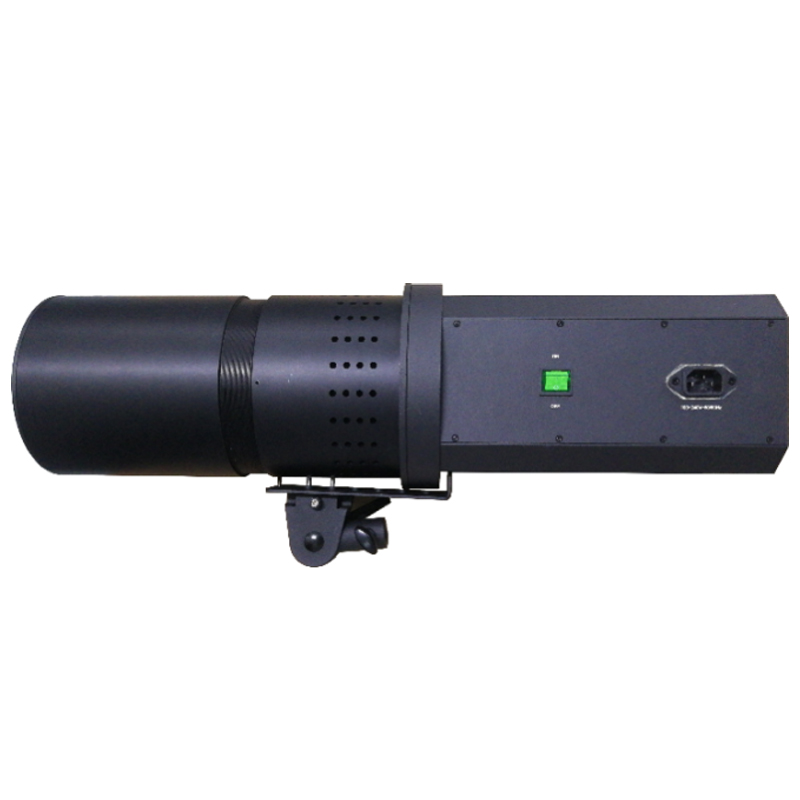
Solar simulator accuracy directly affects efficiency measurements, IV curves and research results. Even small deviations in irradiance, spectral match or calibration can lead to significant differences in photovoltaic cell performance data. Buyers should understand the key factors that influence accuracy before selecting testing equipment.
Get QuoteWhy Accuracy Matters In PV Testing
Researchers and manufacturers rely on solar simulators to evaluate photovoltaic cell efficiency, compare process improvements and validate product performance. If the simulator is not accurate, the resulting efficiency data may not reflect actual cell behavior.
For perovskite, silicon, tandem and thin-film solar cells, testing accuracy is especially important because efficiency improvements are often measured in fractions of a percent.
1. Spectral Match
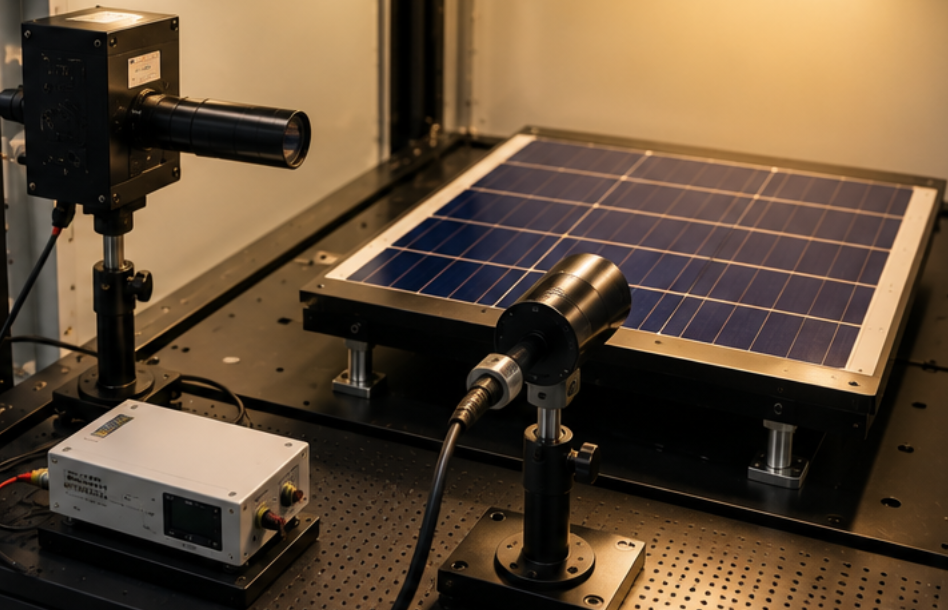
Spectral match describes how closely the solar simulator reproduces the standard solar spectrum. If the spectral distribution is different from real sunlight, some photovoltaic materials may appear more efficient or less efficient than they actually are.
This factor becomes particularly important for perovskite and tandem solar cells because different absorber layers respond to different wavelength ranges.
2. Irradiance Uniformity
Irradiance uniformity determines whether the entire solar cell or module receives the same light intensity. Poor uniformity may cause different parts of the sample to receive different illumination levels, affecting IV measurements and efficiency calculations.
For larger thin-film or pilot line modules, uniformity becomes even more critical because the illumination area is significantly larger.
Key Factors Affecting Solar Simulator Accuracy
| Factor | Impact On Accuracy | Buyer Checkpoint |
|---|---|---|
| Spectral Match | Affects material response and efficiency measurement | Can the supplier provide spectral verification reports? |
| Irradiance Uniformity | Influences consistency across the sample | What area is certified for uniform illumination? |
| Temporal Stability | Controls light fluctuation during measurement | How stable is the light source during testing? |
| Calibration | Directly affects irradiance accuracy | What reference cells and calibration methods are used? |
| Temperature Control | Can affect cell performance during testing | Is sample temperature monitored and controlled? |
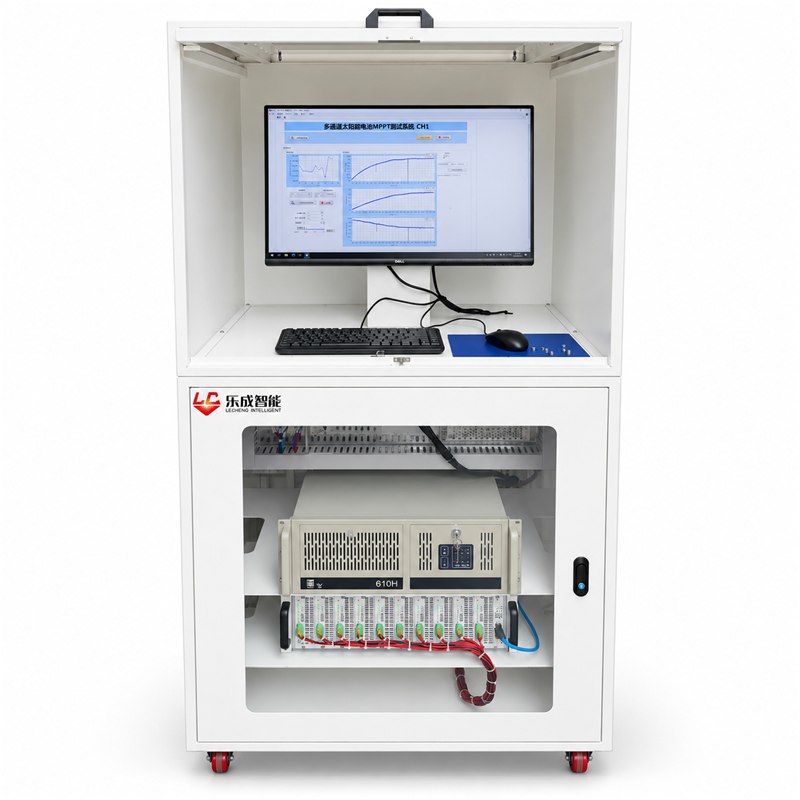
| IV Integration | Impacts final electrical measurement quality | Does the system include accurate IV testing integration? |
3. Temporal Stability And Light Fluctuation
Even if the spectral match is excellent, unstable light output can reduce testing accuracy. Light fluctuations during IV measurements may change current and voltage values, making results less reliable.
High-quality solar simulators are designed to maintain stable illumination throughout the entire testing process.
4. Calibration And Reference Cells
Calibration ensures that the simulator produces the correct irradiance level. Reference cells provide the benchmark used during calibration and must be traceable to recognized standards.
Without proper calibration, even a high-end simulator may generate inaccurate efficiency data.
Questions Buyers Should Ask Suppliers
What spectral match classification does the simulator achieve?
How is irradiance uniformity verified?
What temporal stability specifications are guaranteed?
What reference cells are used during calibration?
How often should recalibration be performed?
Can the system provide calibration certificates?
Does the simulator support temperature monitoring?
Can the supplier provide sample testing reports?
Conclusion
Solar simulator accuracy depends on spectral match, irradiance uniformity, temporal stability, calibration quality, temperature control and IV testing integration.
Understanding these factors helps buyers select a reliable testing platform and ensures trustworthy efficiency measurements for solar cell research and production validation.
Need A High-Accuracy Solar Simulator?
Contact Lecheng Laser to discuss spectral match, calibration, IV testing integration and solar simulator accuracy requirements.
Contact Us Get Quote